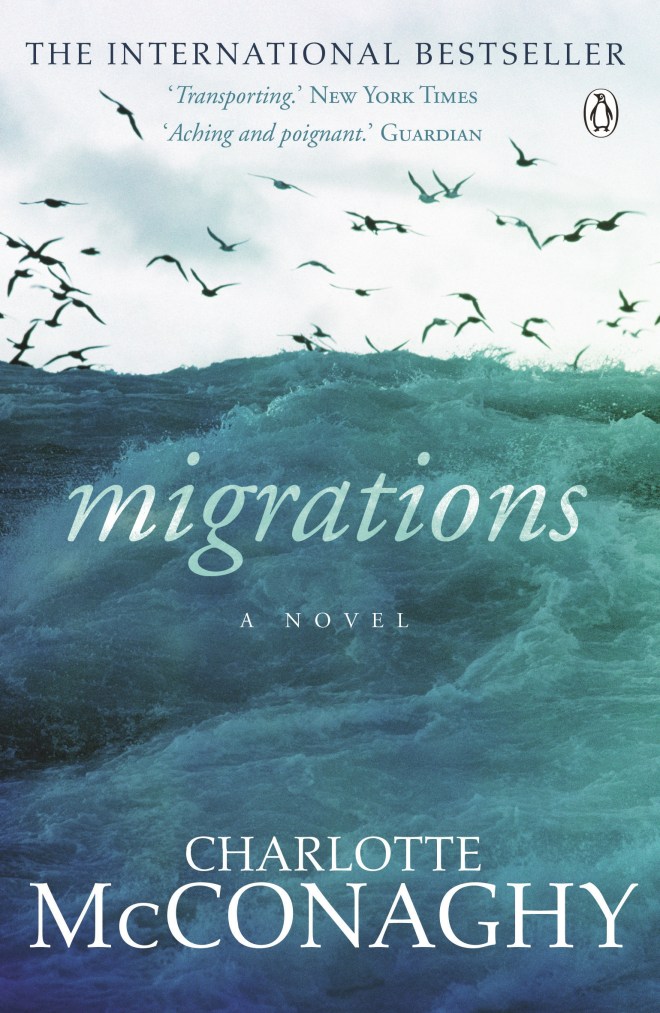
Recommendation: Profoundly melancholy and shot through with moments of beauty, Migrations is a strange mix of ecolit and mystery novel. It is imperfect, but it stays with you none the less
Read with: Something from Lark Distillery
In brief: Migrations is evocative and frequently beautiful, but it only works if you do not think about it too hard. I was gripped enough to read it over the course of an evening and a very late night and went to sleep very emotionally affected … and then woke up bemused by the utterly shambolic second half, which I shall try and avoid spoiling.
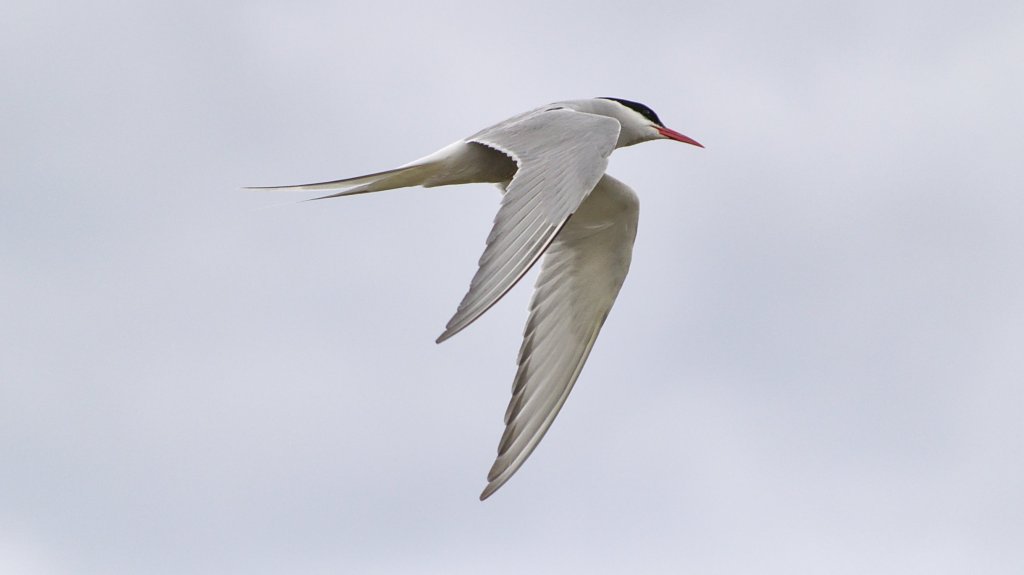
The power of Migrations is all in the premise – in some not so distant future, humanity has caused the sixth great mass extinction, most wild species are dead and the oceans are emptied. In the middle of this catastrophe, our heroine, an Irish-Australian called Franny, is on a quixotic quest to track what will probably be the last migration of the Arctic Terns from the North Pole to the South. She is also running from demons of her own. She is aided in her endeavour by the crew of one of the last remaining commercial fishing vessels and by its captain, who is, you guessed it, also running from demons of his own.
To start with the good, McConaghy is a truly gifted writer. Even when the plot and characterisation strain credulity, it is easy to be carried along in the flow, and there are truly gorgeous vignettes scattered throughout the novel. The novel is both well structured and well paced, moving between the present and extended flashbacks to the heroine’s tragic childhood, an itinerant adulthood and marriage to a seemingly estranged husband she writes endless, loving letters to during the voyage. The mysteries of what happened to her husband and her mother are revealed slowly and with some skill across the novel, as is the truth of Franny’s idiosyncratic and self-destructive purpose. The unravelling of these various mysteries provides a helpful propulsive momentum, even if they do distract somewhat from the ecological messaging and themes.
There are, however, two difficulties with Migrations. The first is that Franny does not make much sense as a character. She is pathologically peripatetic and oddly fatalistic about it, and at least partially suicidal right from the start of the novel. The self-defeating wanderlust makes slightly more sense if you know that the author was inspired by Celtic myths of selkies, seals who could shape shift into women. This allusion was not apparent to me, however, until I stumbled across an interview with the author while writing this review. The other difficulty is that as the novel progresses and Franny’s history becomes clearer, the purpose of her journey becomes less comprehensible, and her drive to reach the Antarctic becomes increasingly psychotic. There is power in McConaghy’s portrayal of murderous nihilism as a response to a broken world, I suppose, but it is a bit nonsensical as a character study.
The more significant difficulty, however, is that the novel never really lives up to the poignancy of its premise. The opening lines – ‘The animals are dying. Soon we will be alone here” – are evocative, and McConaghy writes movingly and elegantly about the tragedy of empty skies, empty oceans and the loss of wildness. This is the aspect of the novel that has garnered the most praise, and deservedly so, however it masks an incapacity to grapple with total ecological collapse as more than just an aesthetic loss for humanity. As the fishing vessel makes its way south and the characters come into more contact with society, and as the flashbacks build out our sense of the world, the less weighty mass extinction feels in human terms. There are certainly hints that human societies are also struggling to cope but it feels very underdeveloped. This approach is understandable given the focus of the novel on this specific consequence of the Anthropocene, but the incongruity of some of Franny’s interactions with the wider world adds noticeably to the general incoherence of the second half of the book.
With all this said, it is by no means a waste of time, and I think that if you enjoy literary mystery novels (think Tana French or Jane Harper) or eco-lit, you will find something in Migrations to love.
 Bookshelves & Bourbon